
training & Certifications
DISC Programs Based on the Four Birds
BirdBrains, Inc.
Our Newest DISC training tool
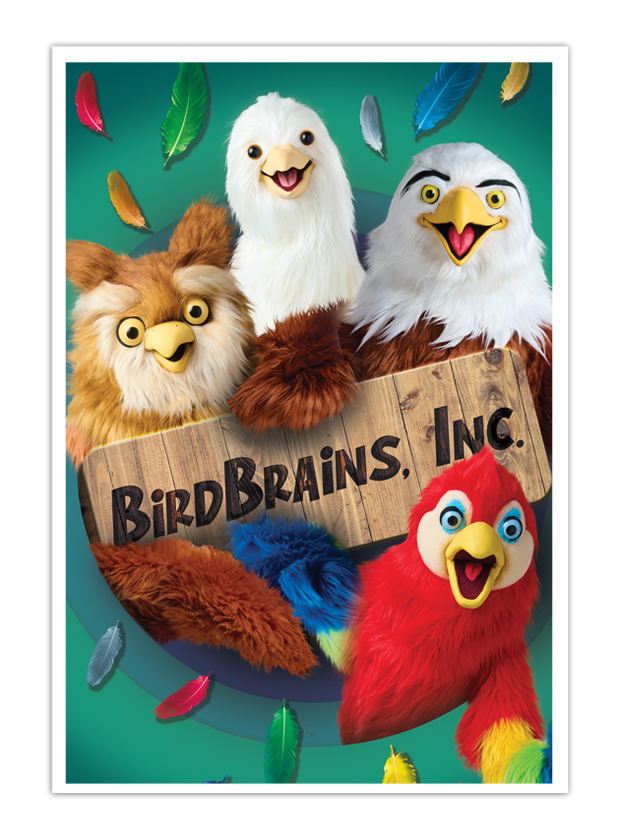
BirdBrains, Inc, the newest DISC training tool is a movie to use with any of our trainings & certifications, exclusively from Take Flight Learning.. See the DISC styles in action in BirdBrains, Inc., a one-of-a-kind 30-minute movie experience to use as part of our Training & Certification programs.

- BirdBrains, Inc. Is a 30-minute training movie
- Flexible in a classroom or individual viewing format
- Additional activities and accompanying videos featuring Merrick Rosenberg a.k.a “The Bird Guy”
- It’s a new visual training tool so you can see the DISC styles in action and it helps people remember them by activating the parts of the brain related to memory formation
- BirdBrains, Inc is theatre quality film created by industry expert production company and puppeteers
STYLE WISDOM
Impact Your People and Culture
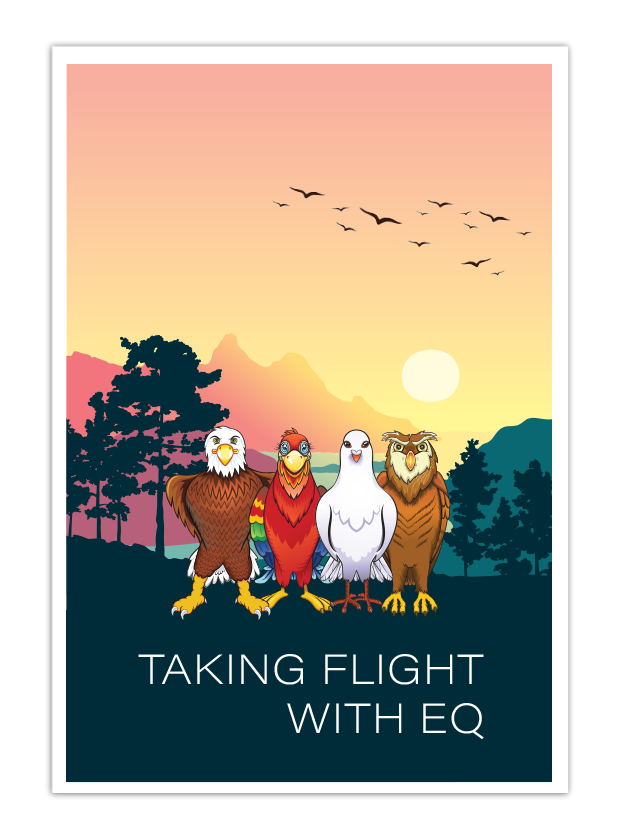
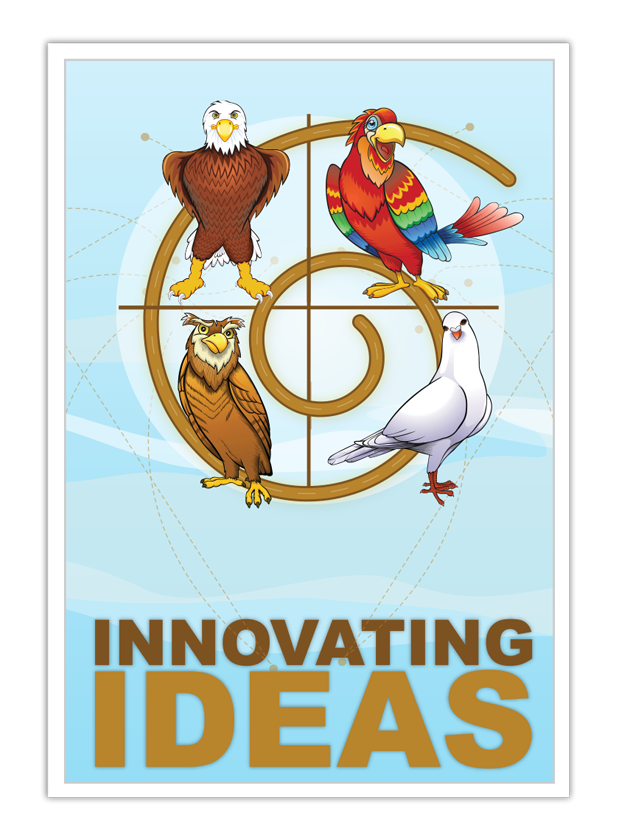
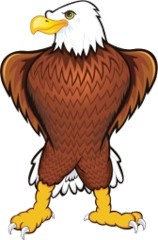
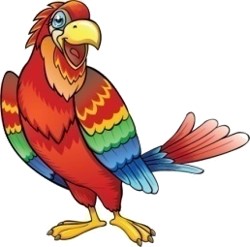
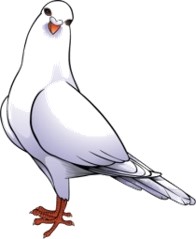
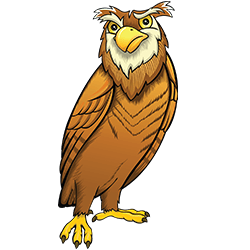
By learning about the Eagles, Parrots, Doves and Owls, people will increase self-awareness, better understand team dynamics and learn how to interact with others more effectively and compassionately. The bird styles will become a part of each individual’s daily conversations and will get infused into your cultural DNA. The birds will provide a language that sticks for years to come.



Take Flight Learning has helped us bring the power of “The Birds” to our 300 franchises across the US and Canada, and the Taking Flight with DISC program has made an incredibly positive impact on our employees and on the culture of our company. Because of this program, we’re communicating much more effectively with one another and with our clients. I highly recommend!
CEO
Fit Body Boot Camp

Over the years, Taking Flight with DISC as well as Chameleon Leadership have become our preferred assessments for many of the leadership experiences we offer to our organization. In feedback surveys, our talent tell us time and time again that the birds were the thing that had the most relevance and impact on them. I’ve never seen a more creative and intuitive approach to teaching DISC. We are big fans!
Director
Global Talent Development, NBCUniversal

Taking Flight with DISC has become a core element of our organizational culture. The shared language of ‘the birds’ has helped us recognize, understand, and celebrate the unique perspectives of each style, leading to increased empathy, accountability, and trust. After realizing the value of DISC in our own team, we began sharing it with our clients as well to help their teams reach their fullest potential.
Management Consulting Director
Vynamic

Merrick’s Taking Flight with DISC program has completely transformed our entire 60-person plus organization. It is a major component of our culture, as it helps us put the right people in the right seats on the bus, it helps us build better (diversified) teams, and it helps us communicate more effectively amongst ourselves (one-on-one, intra-departmentally, and inter-departmentally). We couldn’t have gotten to where we are today without Merrick’s help! Thank you, Merrick!
President & CEO
Madison Trust Company
Clients













































What makes us different?
Many people have taken DISC assessments, but fast-forward six months and the styles are a distant memory. Not only are the birds memorable, but also the training based on the four bird styles is engaging and transformative. Take Flight Learning’s training is brain-friendly, sticky and changes behavior.